Why Midlife Is a Critical Window for Your Health
May 7, 2026
I’ve met many patients in their 40s who haven’t seen a physician in years. When asked why, the most common response is : “I’ve been feeling fine.”
Midlife is often treated by many people as a time to “get through”—a busy phase sandwiched between youth and aging. It presents as a high-responsibility stretch of life where work demands, caregiving responsibilities, and daily logistics take center stage. But biologically, it represents something much more important. Many people assume that health screenings and preventive care can wait until later in life, but that’s a misconception that can lead to missed opportunities for early detection and prevention.
The years between 40 and 65 are a turning point for health.
During this period, the body undergoes changes that can quietly shape future risk for conditions such as heart disease, stroke, diabetes, memory impairment. What makes this stage particularly important is that many of these changes happen gradually—and often without symptoms.

What Changes Happen In Your Body During Midlife?
Midlife is a period of profound physiological transformation that affects nearly every organ system in your body. Even in people who feel generally healthy, several important shifts begin to occur.
Risk of heart disease starts rising
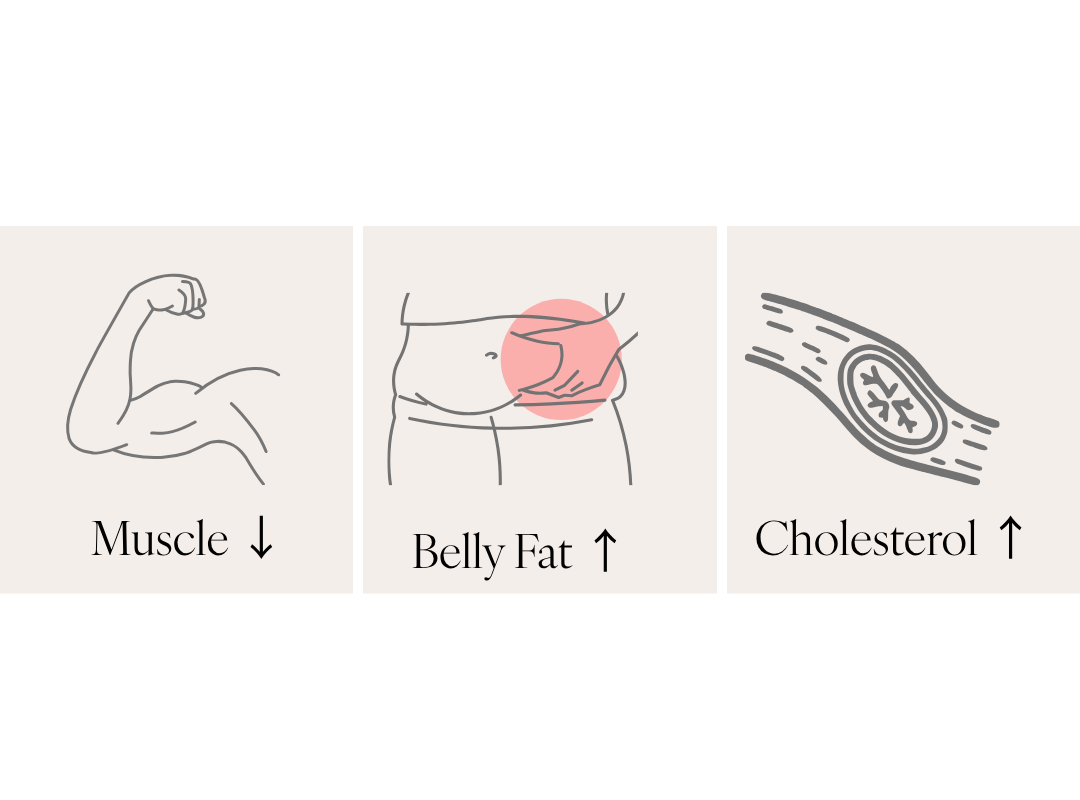
Heart disease is the leading cause of death of women in the United States, causing more deaths than all forms of cancer combined. During midlife, blood vessels start to stiffen, blood pressure tends to rise, cholesterol level increases, and early narrowing of arteries may develop - all of which contribute to growing risk of heart disease.
Blood sugar regulation becomes less efficient
Insulin, a natural hormone produced by the body that keeps the blood sugar level in check, becomes less effective at doing its job. This increases risk of progression to prediabetes and type 2 diabetes.
Body composition changes
Muscle mass gradually declines, while body fat tends to increase and redistribute towards the abdomen, leading to increasing waist circumference — even in individuals whose overall weight remains stable.
Why This Matters More For Women
For women, midlife frequently overlaps with the menopausal transition, which introduces an addition layer of complexity.
Hormonal changes during this transition can accelerate unfavorable changes in cholesterol, blood vessel stiffness and inflammation - beyond what aging alone would cause.
The “Silent Risk Window”
Because most people feel fine, this phase is easy to overlook. However, midlife represents a deceptively quiet period, in other words, a “silent risk window” during which the foundations of long-lasting health conditions are being laid, often without symptoms or clear warning signs. Conditions such as heart disease, diabetes, and cognitive decline often begin during this phase—even if they are diagnosed years later.
Understanding this concept is key to taking proactive steps early.
Why This Window Matters
While these shifts can sound concerning, they also highlight something incredibly important:
Midlife is one of the most meaningful opportunities for PREVENTION and EARLY INTERVENTION.
Taking a proactive approach during these years - with regular health screenings and healthy lifestyle changes offers one of the best opportunities to improve long-term health outcomes.
Focusing on prevention in your 40s and 50s can:
Lower your risk of heart disease and stroke
Improve metabolic health
Support brain function
Maintain strength and mobility
Conclusion
Midlife is not the beginning of decline - it is one of the most important opportunities to protect and invest in your future health. It is a phase of important biological change—one that deserves more attention, awareness, and proactive care than it often receives. The choices made and preventative steps taken between ages 40 and 65 can strongly influence whether the decades that follow are spent in health or managing long-lasting health condition. A conversation with your doctor about your personal risk factors and a proactive plan can make all the difference.